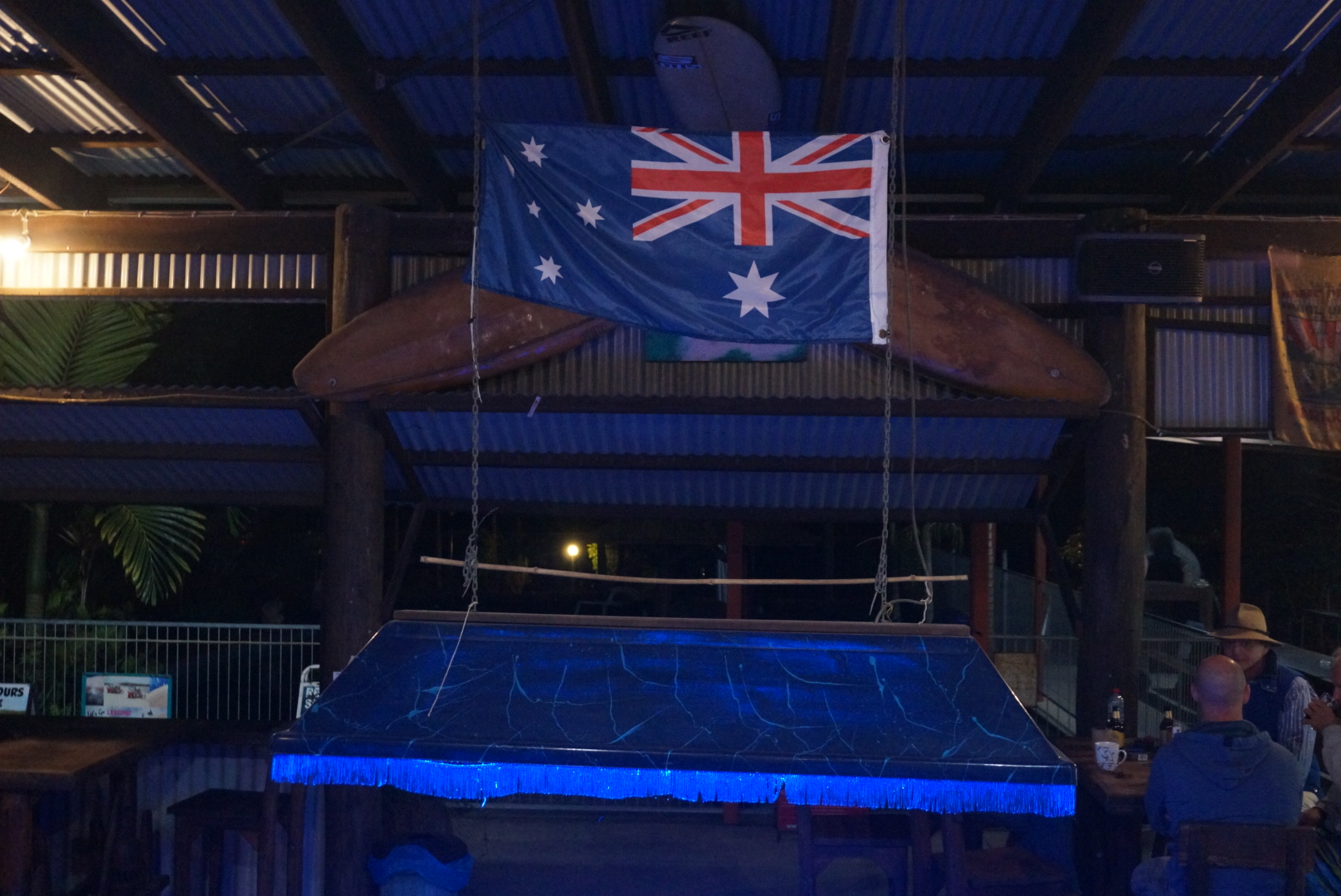
We traveled the East Coast of Australia for two weeks and the West Coast for a month, driving in total about 4000 km during our trip. From the East it would have been nice to stay longer at Springbrook and maybe visiting nearby Lamington national park. We did a mistake rushing it. From the West we could have gone to Karijini. We heard from other travellers that it’s a beautiful area. But in total our route covered all the different places we wanted to see. Tasmania would be the next destination if visiting Australia again.
Here’s some notes from our visit to Australia.
Nature.
We visited about 15 different national parks. In the East it was free of charge to enter the premises of a national park. In the West regular fee was $12 (some parks were free) but we bought a month-long holiday pass for $44 to cover all of the national parks (except Monkey Mia and Valley of Giants). For convenience the pass was also a good choice. It was put hanging on the front mirror in the car and we could just drive through the checkpoints.
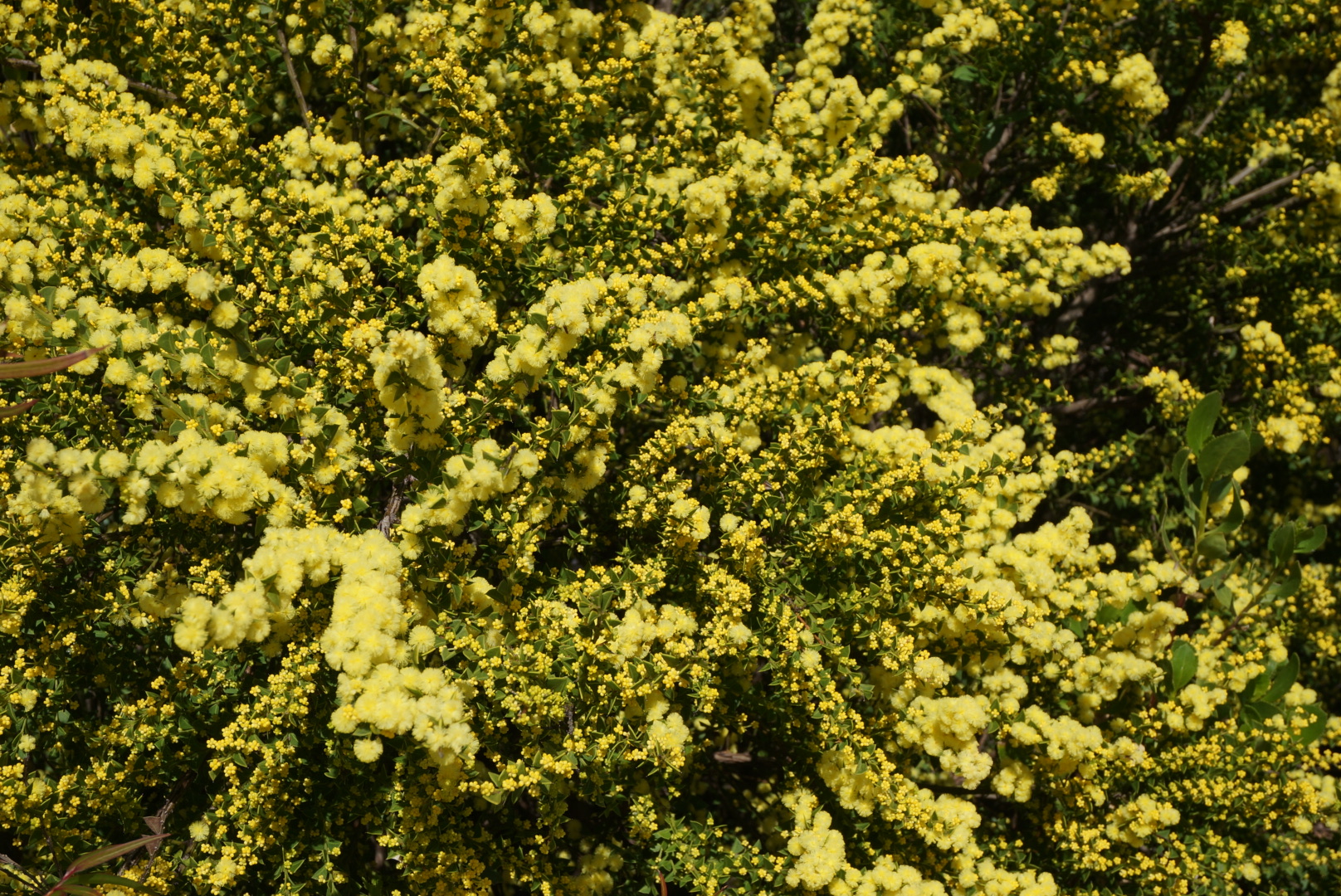
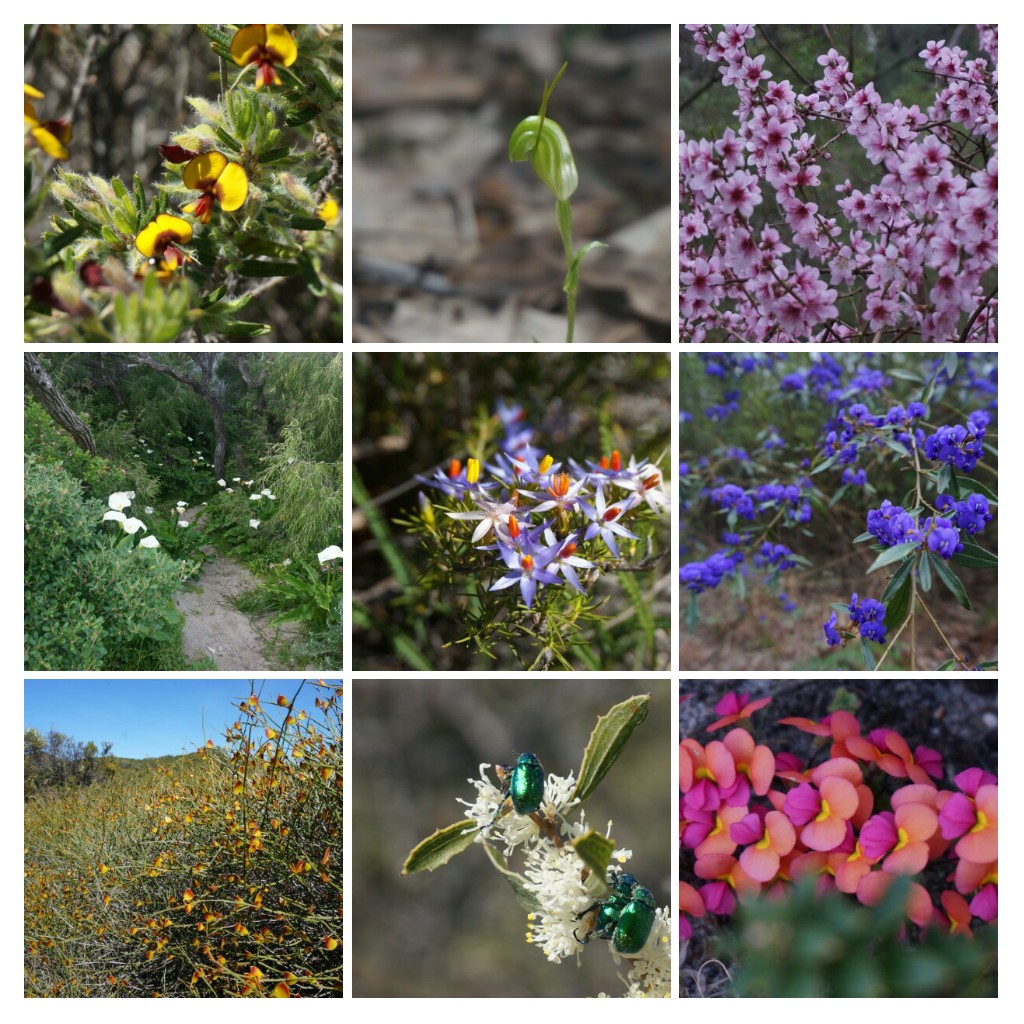
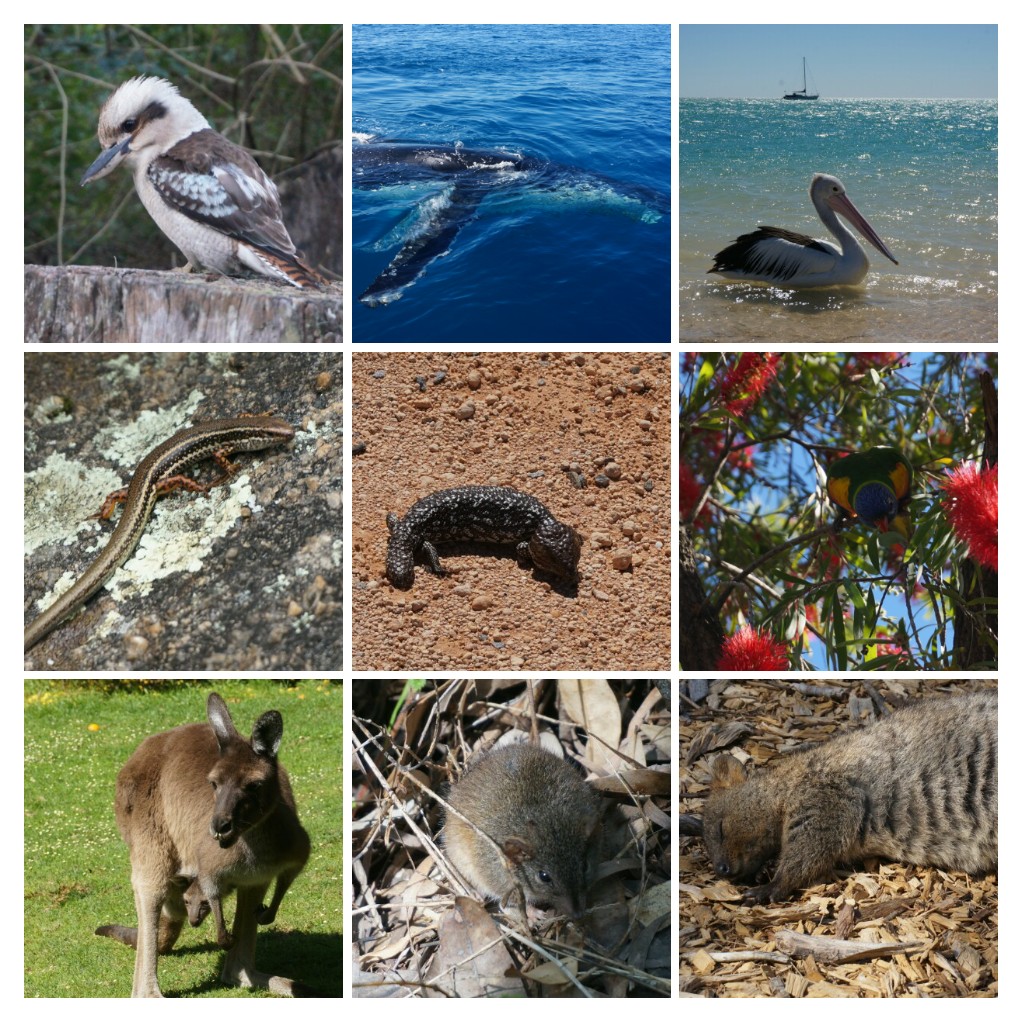
Visiting all those national parks allowed us to get familiar with Australian nature and its unique set of animals. Especially in the West we were lucky to be in spring to witness the wildflowers in full bloom. There we saw also more kangaroos than in the East, but on the other hand Hervey Bay in the East introduced us to magnificent humpback whales.
Transportation. We tried Australian trains only once, in Sydney. Otherwise we travelled with a rented cars. That felt almost necessary, since other kind of transportation seemed very limited especially in the Western Australia and only car provided the freedom we wanted.
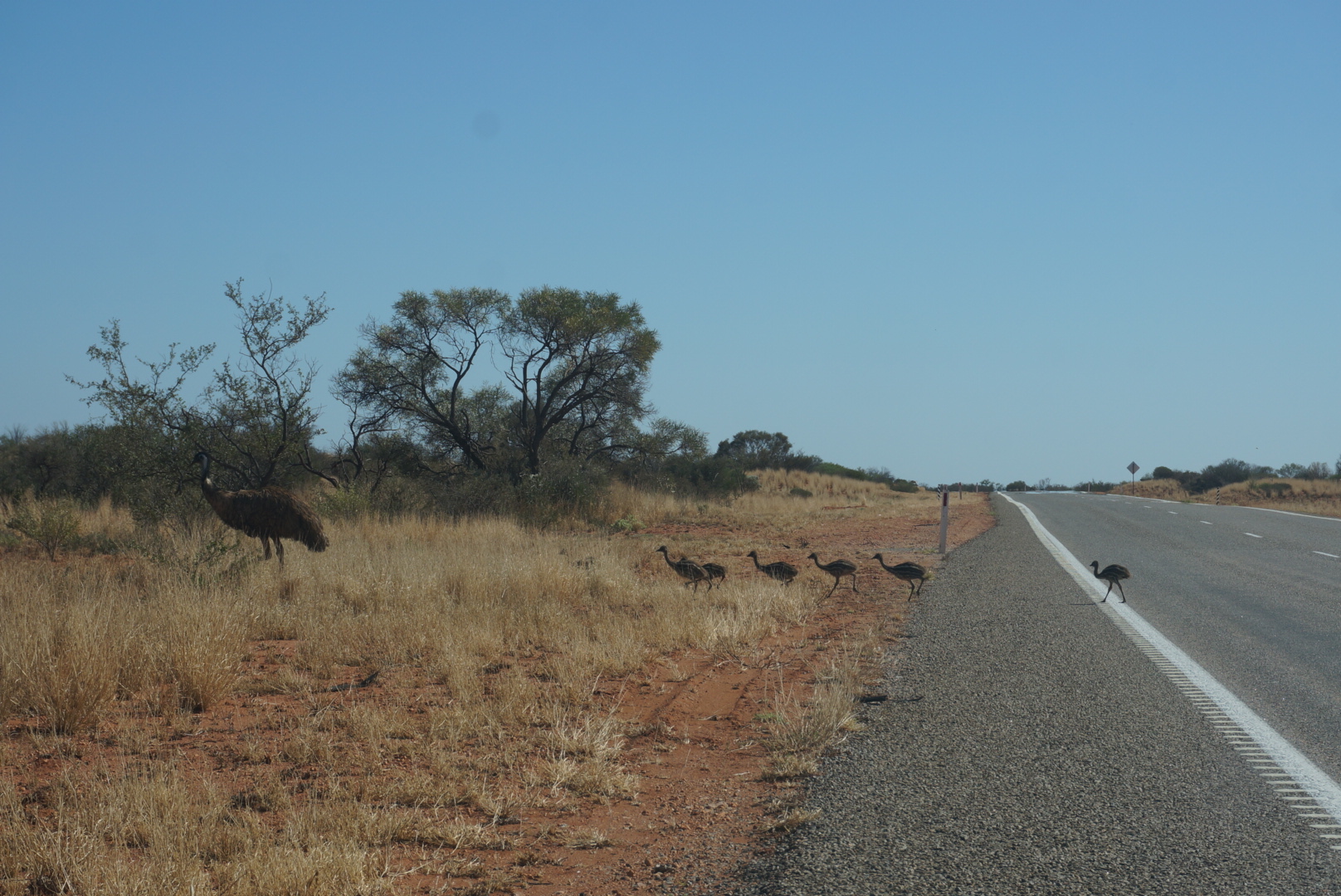
In the east we saw a lot of animal warnings on the Road, but not so much animals. In the west it was totally another story. We almost hit a kangaroo, had to stop for an emu father crossing the road with his offspring, slow down for ravens and eagles feasting on roadkills and got almost hit by a green cloud of parrots. Also domestic animals like cows, sheep and goats were roaming freely and sometimes crossing roads.
Of course, the many encounters were at least partly due to the fact that distances in WA are vast. It was normal to drive for hours on the middle of nothing. So, the most important is to have loads of music. Downloaded, of course, because there is no radio in the middle of nothing. No radio, no cell phone coverage, no Internet, no nothing.

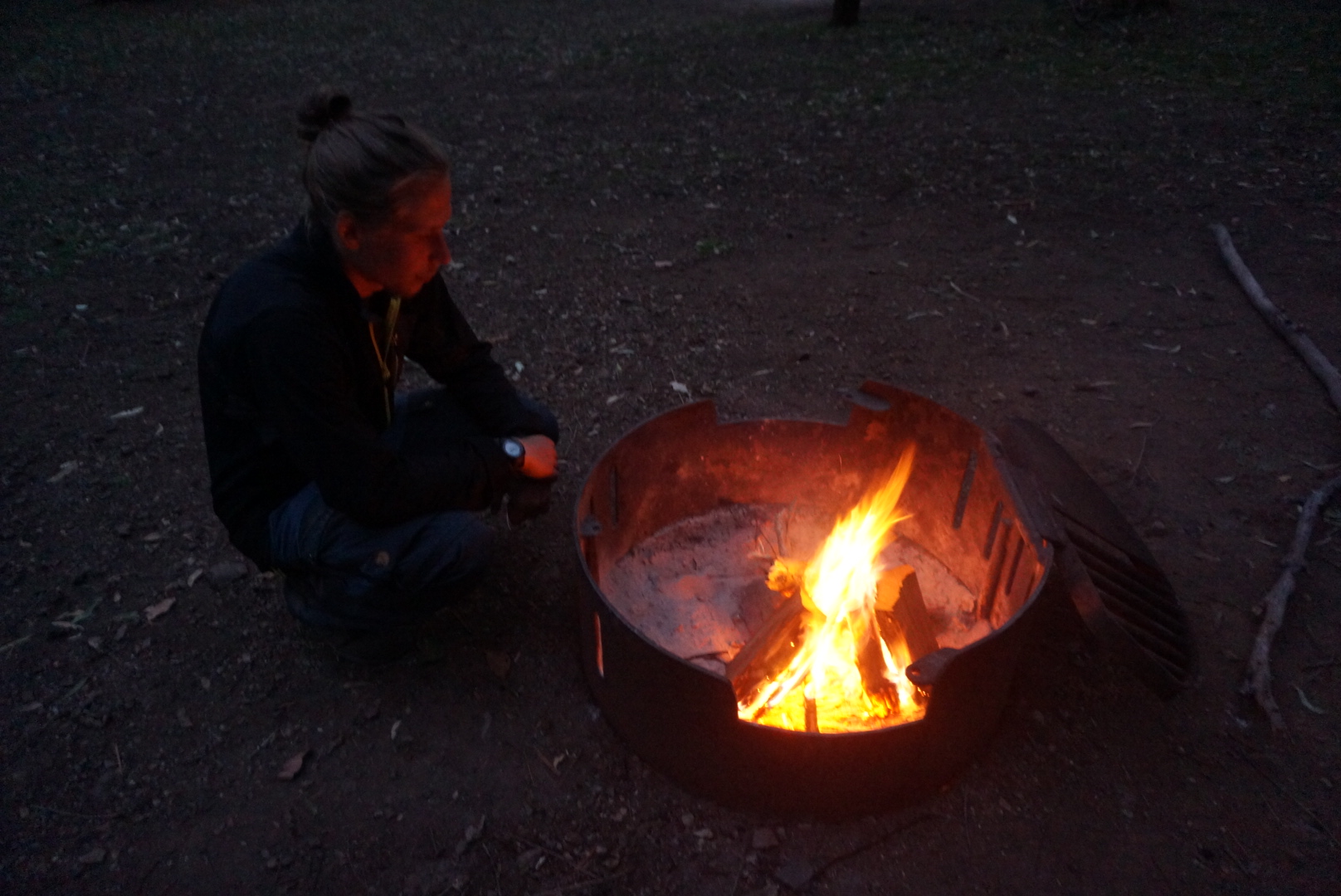
Camping changed our day rhythm. It got dark between six and seven, and after that there was not so much to do, so we’d go to sleep already after seven in the evening and wake up at six, when the sun rose and birds started their songs. Usually the first and the last thing we heard the laughter of kookaburras, which became the iconic sound of Australia to us.
People & language. People were very kind and cheerful with a sense of humour. That we learnt straight on when we arrived to customs on Sidney airport when we were asked to dance around with one leg up so that the customs could see if our hiking boots were dirty or not.
Mostly people who appoached us were Aussies. Our first Australian encounter was in Vietnam when in Hoi An we ran out of the rain to restaurant and got to meet Australian fellow that offered to pay our drinks. We also had good chats with Chris in Boreen campground and with our Pemberton guide Andy. On our flight to Perth we also met a consultant that loved Finnish pulla.
Food. Australians don’t seem to have any particularly own cuisine. But they do have Vegemite. This great delicacy we got familiar with in Agnes Water when a local camper asked us to try it. Vegemite was an essential part of (Ville’s) breakfast during our travels. It is made out of lefover yeast and it has a nice salty taste to it. It’s best with toast and butter. You can also ad some avocado on top to make it exotic.
Other distinctive Aussie food was meatpie. Almost every town had a cafe that served these pies stuffed with mostly beef, lamb, curry and mushrooms. Otherwise, Australians seem to eat fish (being on the coast it seems natural), burgers, pizzas and chips. In the west there were a lot of public fish cleaning stations around and as much signs on top of garbage bins that advised not to through any fish product in them.
 Travelling bunheads