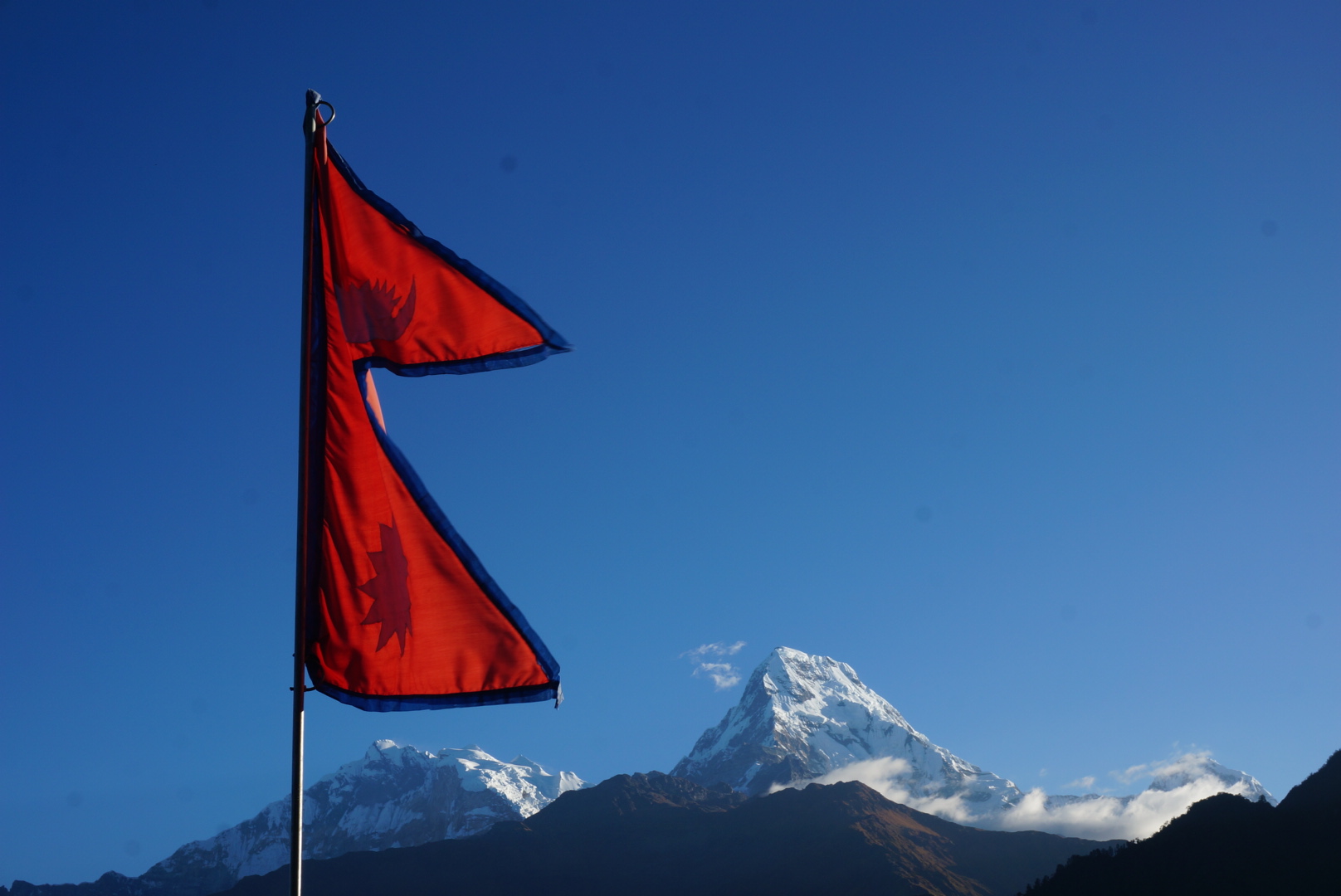
We spent a month in Nepal – took full advantage of our $40 visa. During that time we had a chance to visit both Everest and Annapurna region and experience both the tropical heat and the mountain snows. We really enjoyed our stay, even though we didn’t get to Chitwan national park or Buddha’s home town – Lumbini.
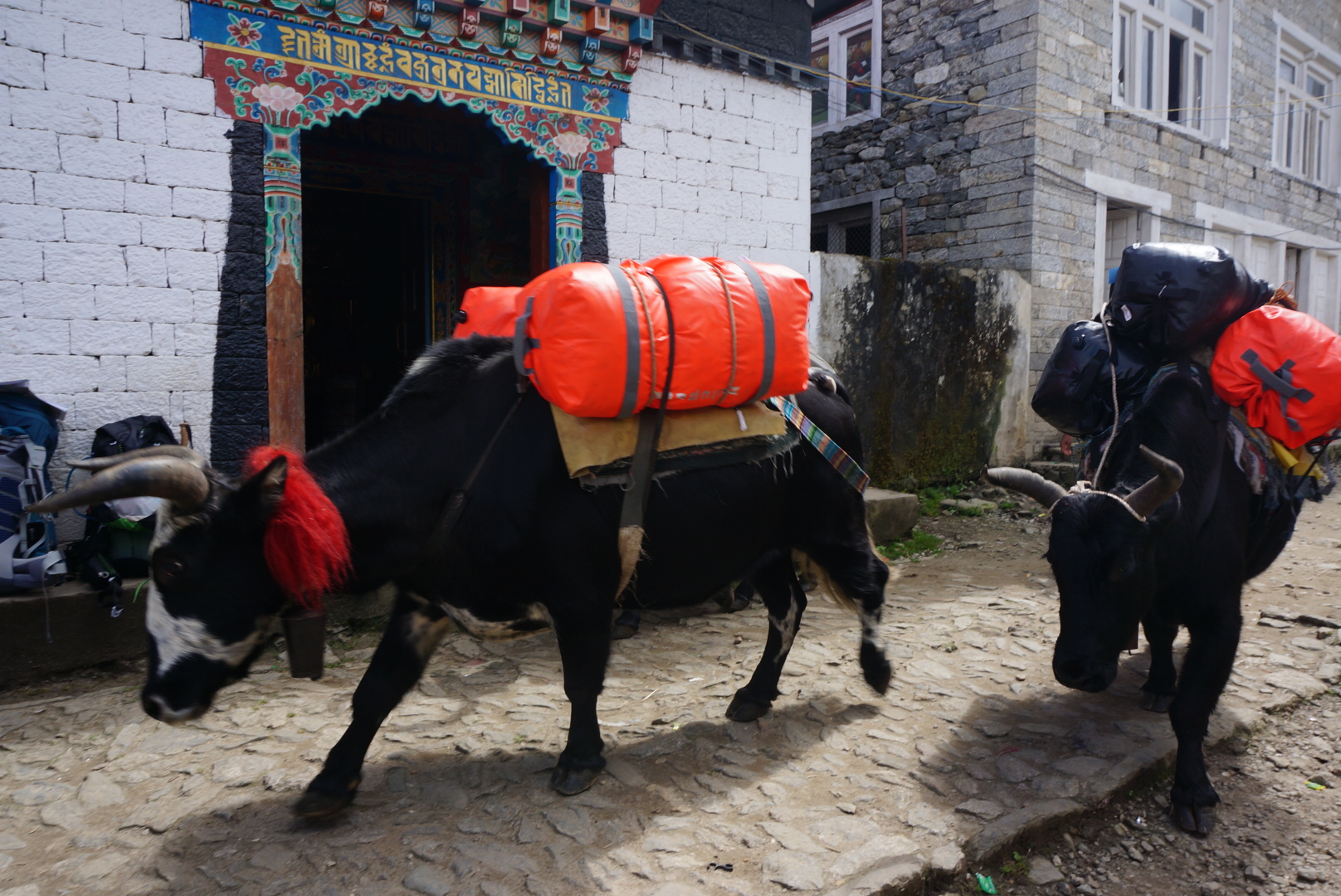
Nature. Squeezed between China and India, Nepal has it all – from rainforests with rhinos to highest mountains with yaks. We got familiar with the animals that people used as transport in the mountains. In Everest area in lower areas people used mostly donkeys to carry food and other suplies to villages. Higher up it were yaks who did the work. In Annapurna region we didn’t go that high up so in most villages on the way there was a possibility to transport goods by car but for some parts they had to use horses.
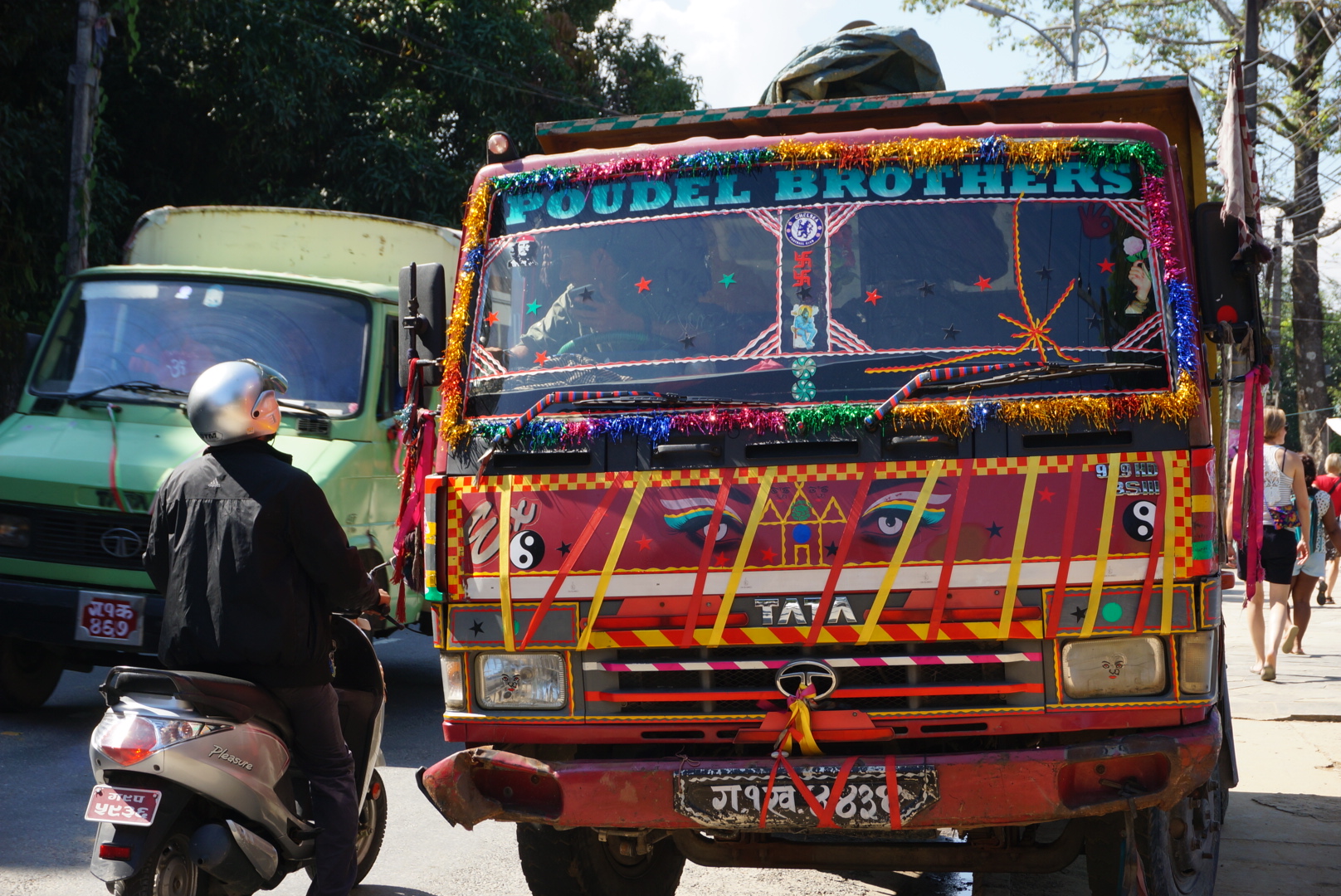
Transportation. Logistics in Nepal seem difficult, and work almost better when there are no motorized vehicles involved – in the mountains everything was ok, but building roads is definitely not Nepalis’ strength. The road between the two biggest cities, Kathmandu and Pokhara, is a little more than 200km – it took 9-10 hours by bus. The good thing is that most of the time the views are beautiful, and you can entertain yourself by looking at crazily decorated trucks.
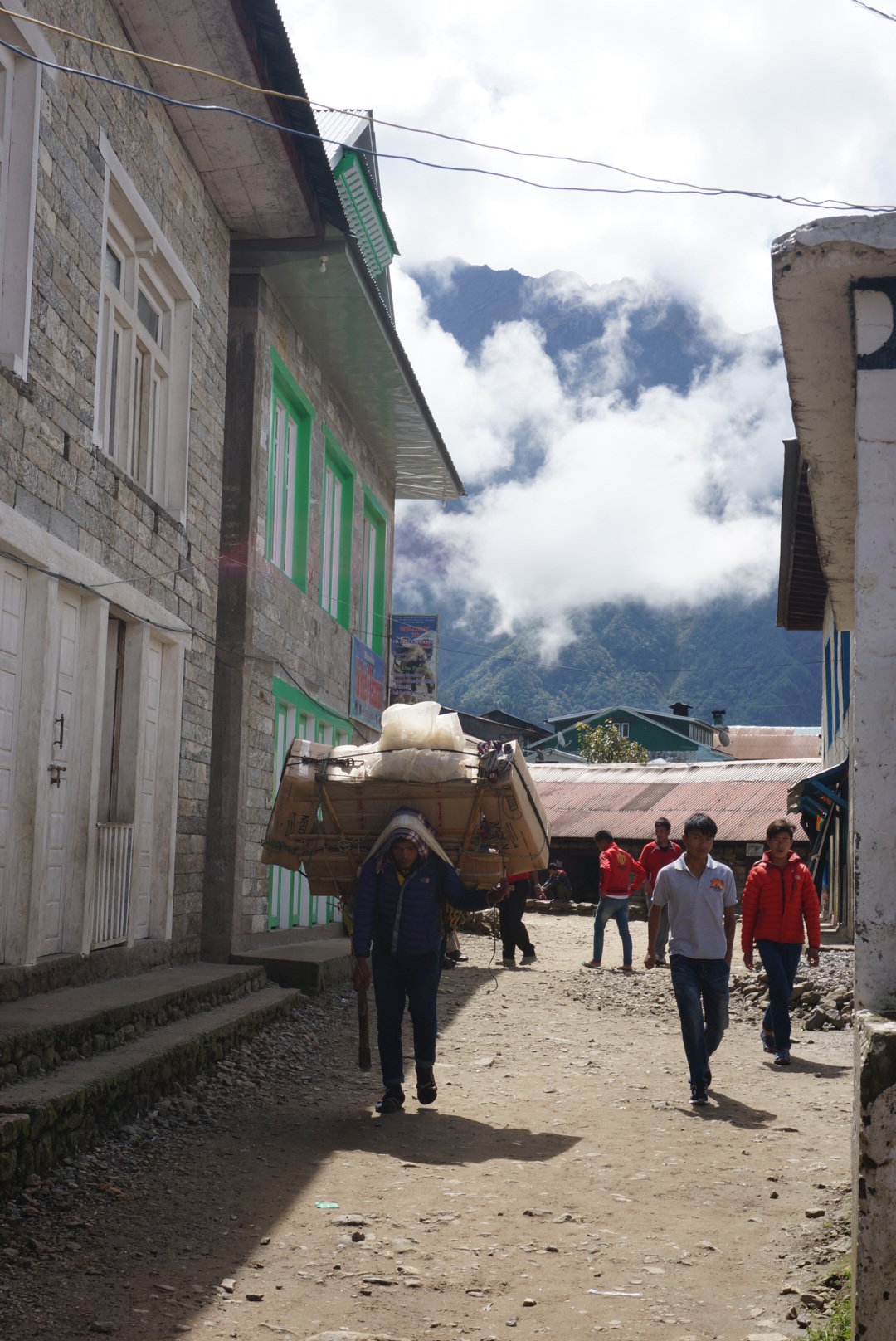
People and language. People in Nepal are mostly nice. In Kathmandu our biggest problem was that everyone was trying to sell us something. Pokhara was easier in that sense. The selling is understandable though, since Nepal is a poor country that is basically dependant on tourism. Almost everyone who has something to do with tourism speaks English at least on some level. They even use English numbers when talking to each other. You get pretty far by knowing one word – namaste. It means hello, bye bye and thank you, very convenient. One other Nepalese word we learned was jam jam. That we heard a lot while we were trekking at Everest. It means Let’s go or Let’s get moving.
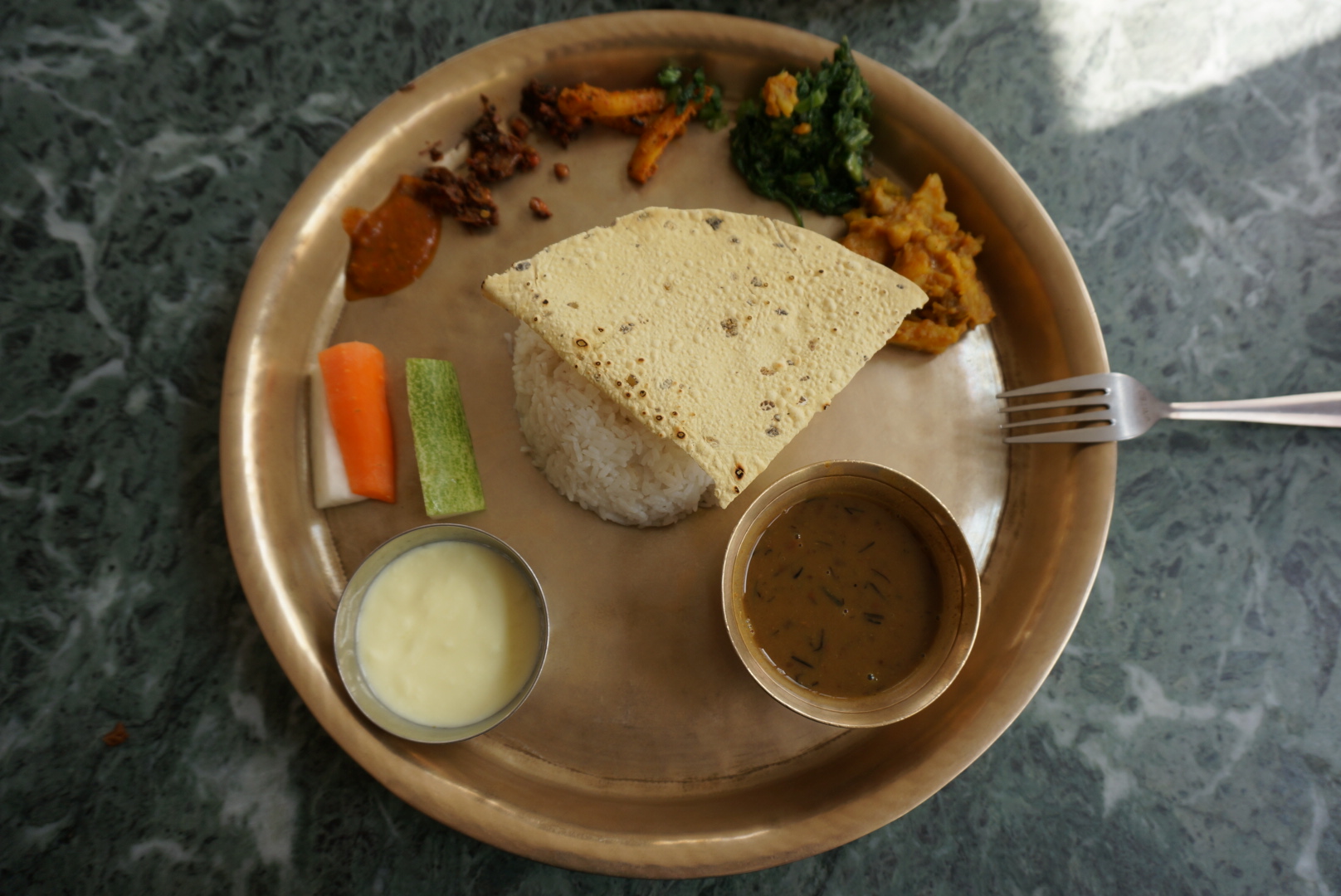
Food and drink. Nepalis have one dish for every occasion – dal bhat. It’s rice with curry (often vegetarian), spinach, dal (lentil soup) and papadum, sometimes also with youghurt, spicy sauce and some fresh veggies. That is something they can eat even twice a day. Every time we had dal bhat it was different. The dish varies a lot depending where it is made and who makes it. While trekking it varies what ingridients the lodges have to make dal bhat. On lower altitudes there would be a lot more choices but higher you will go the more basic it will become. Only dal was the same everywhere. Also the way they serve it is The same – it’s the only dish that you can have as much as you want. Another common dish are momos, local dumplings. Potato dishes were popular in the mountains, cause potatoes were the only thing beside cabbage that grew up there. Tibetan bread was typical breakfast in the mountains as well.
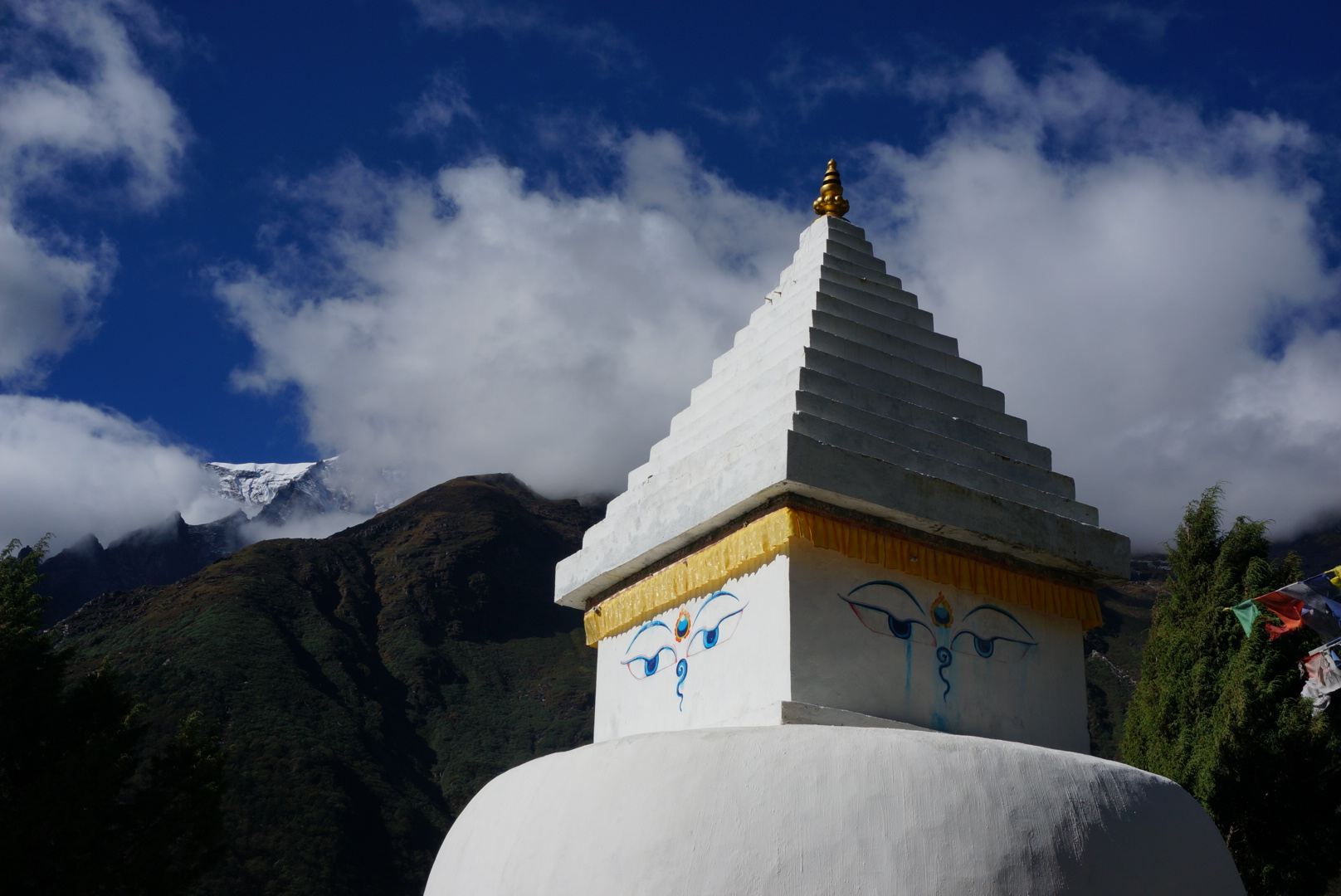
Religion. Most of Nepalis are Hindus, 80%. But especially Sherpas in the mountains of Everest region were mostly Buddhists because of Tibetan influence. That influence could be seen everywhere – stupas, prayer flags, prayer wheels and mani stones were everywhere giving Nepal its special look and feel.
 Travelling bunheads